The Anatomy of an Arrangement

By Amelia Villeda · July 21, 2026 · 5 min read
Focal, secondary, filler, and line — the four roles every stem plays, and how to balance them at home.
Four roles, one composition
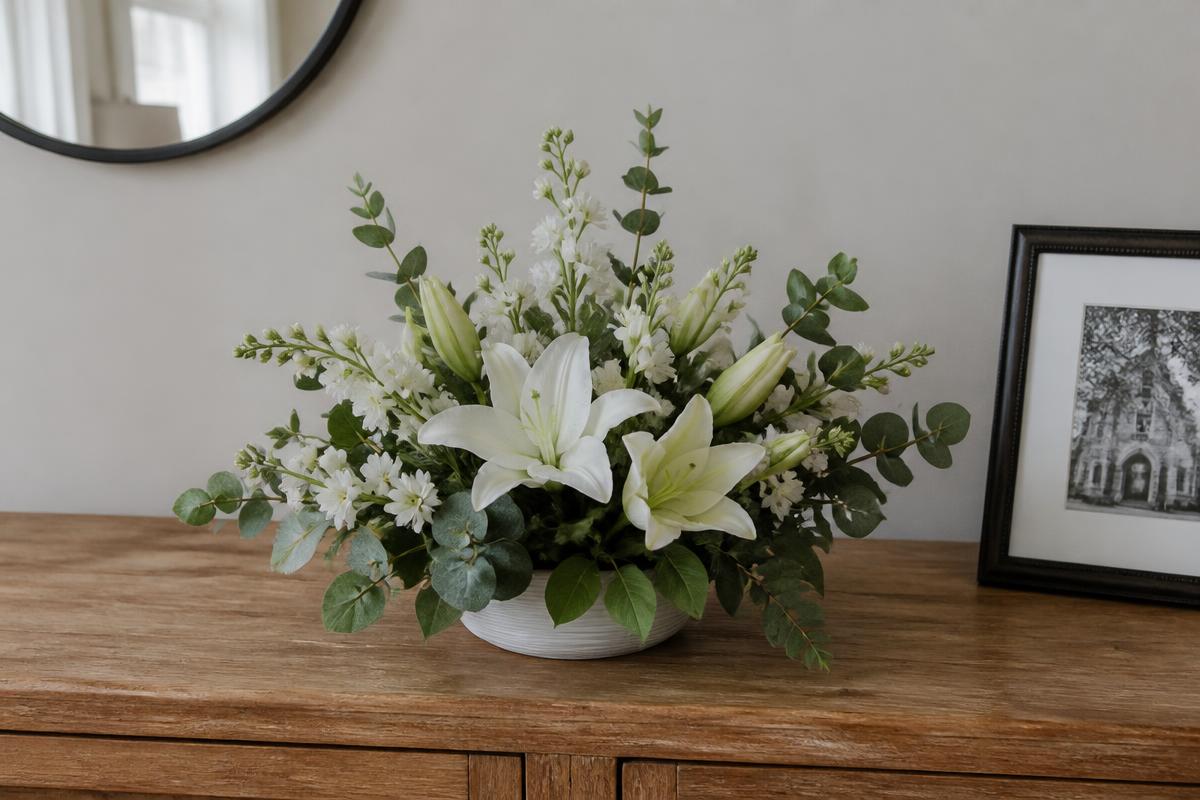
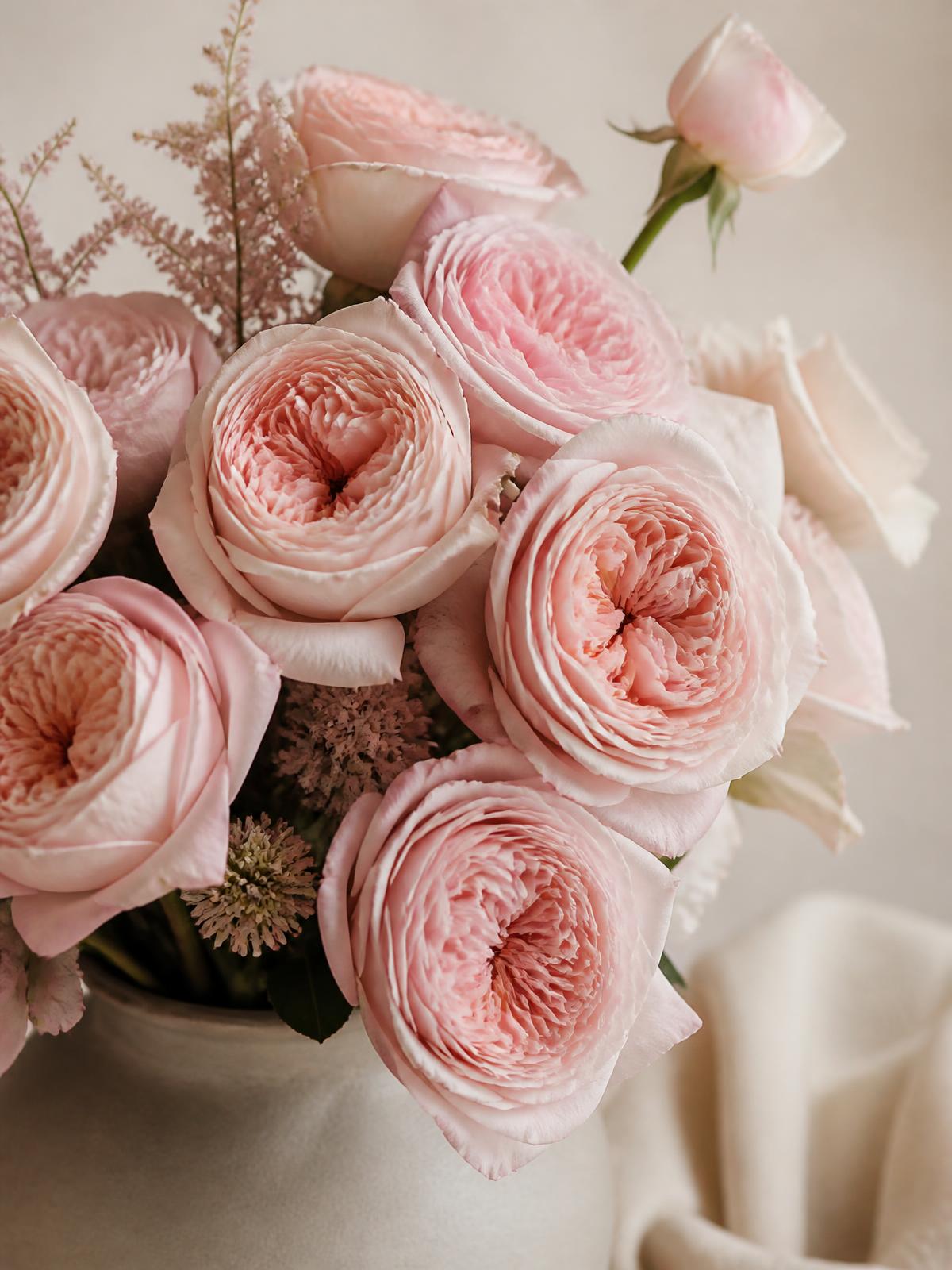
Every arrangement I build assigns each stem a job. Focal flowers command attention — peonies, dahlias, garden roses. Secondary flowers echo the focal in a smaller key. Filler creates air and texture. Line flowers draw the eye outward and give the piece its silhouette.
When an arrangement feels flat, it is almost always missing line. When it feels chaotic, there are usually too many focal flowers competing.
The one-and-a-half rule
As a starting point, build to roughly one and a half times the height of your vessel, then break the rule deliberately in one direction. Perfect proportion is pleasant; a considered asymmetry is memorable.
Work in a spiral
Hold stems in one hand and add each new stem at a consistent angle, rotating the bunch as you go. The spiral produces a bouquet that stands on its own and fans naturally when placed in water.
Building with what a local market offers
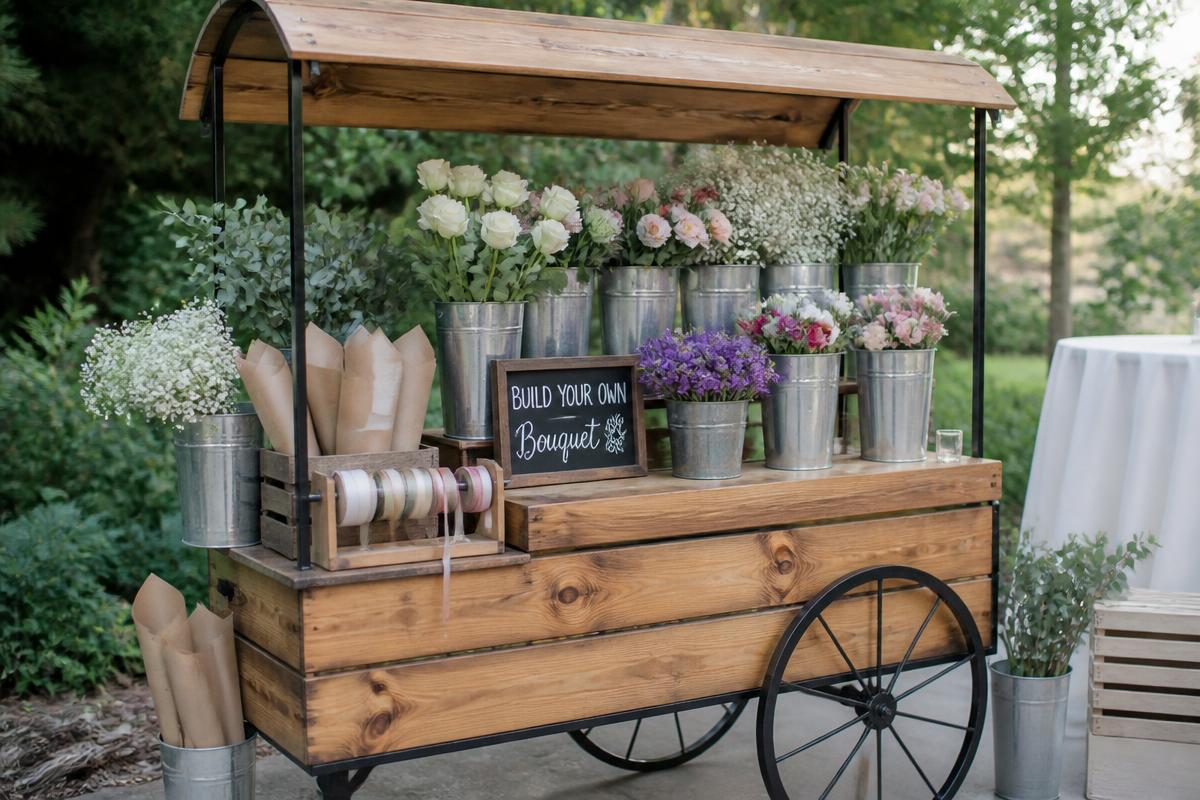
You do not need exotic stems. A composition built from three roses, a handful of lisianthus, one line element such as snapdragon or stock, and a few branches of eucalyptus follows every rule above and can be assembled from what is available locally most weeks of the year.
Common mistakes to avoid
Cutting every stem to the same length flattens a design. Overfilling a narrow vase starves the stems of water. Using a vase that is too wide lets everything collapse outward — if that happens, a grid of clear tape across the opening fixes it in thirty seconds.
Written by
Amelia Villeda
Founder and lead designer of Bloom With Love, a bespoke floral studio in Santa Clarita, California.